
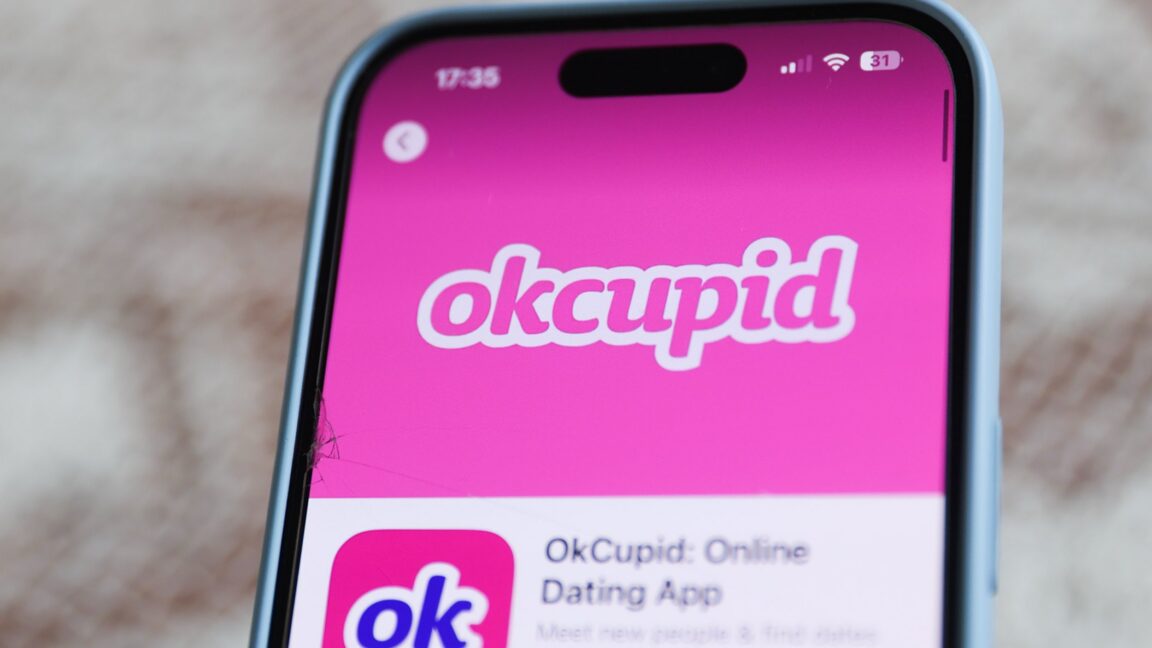
OkCupid and its owner Match Group reached a settlement with the Trump administration for not telling dating-app customers that nearly 3 million user photos were shared with a company making a facial recognition system. OkCupid also gave the facial recognition firm access to user location information and other details without customers’ consent, the Federal Trade Commission said.
Advertising slot
What happened
OkCupid and its owner Match Group reached a settlement with the Trump administration for not telling dating-app customers that nearly 3 million user photos were shared with a company making a facial recognition system. OkCupid also gave the facial recognition firm access to user location information and other details without customers’ consent, the Federal Trade Commission said.
Why it matters
OkCupid and Match do not have to pay a financial penalty in a deal made with the FTC over an incident from 2014. OkCupid and Match did not admit or deny the allegations but agreed to a permanent prohibition barring them from misrepresenting how they use and share personal data, the FTC said yesterday .
Advertising slot
What to watch next
Although a recent court ruling imposes limits on the FTC’s enforcement powers, that ruling applied only to the FTC’s in-house administrative process. The FTC can still pursue deceptive advertising claims in courts and seek financial penalties through court orders or settlements.
Source notes
- Ars Technica press Global
From Patrick Tech
Contextual tools
AI Workspace Bundle for Digital Teams
A curated stack for writing, translation, summarization, and internal workflow speed.
Open Patrick Tech StoreCommunity
What did you think of this story?
Drop a reaction or leave a comment right below the article.



Latest comments
0No comments yet. You can start the conversation.